
Discover & Learn
Events, FAQs, and Tools You Can Use
Conferences
A few of our favorites






Questions We Hear Most
Jargon free answers, real-world examples, and links to explore.

Each of these stakeholders plays a vital role in improving healthcare. Patient groups contribute lived experience, making sure the realities of daily life with a condition are understood. Treatment developers bring scientific and technical expertise. Policymakers and regulators ensure treatments are safe, effective, and accessible. Healthcare providers deliver care directly and see first-hand how treatments work in practice.
Working together (for example, in a consortium), these groups can design research and treatments that are both scientifically sound and truly patient-centered. Patient groups can guide treatment developers toward meaningful outcomes, while providers contribute insights from clinical practice. Policymakers can then use this combined evidence to support approvals, coverage, and policies that reflect patient needs. This collaboration helps ensure that new treatments not only meet regulatory standards but also improve real-world quality of life, with healthcare systems ready to deliver them effectively.
Critical Path Institute (C-Path): Programs & Tools & Platforms
Foundation for the NIH (FNIH): Accelerating Medicines Partnership & Biomarkers Consortium
These studies follow how diseases progress without testing new treatments. They are especially valuable for rare or complex chronic diseases. They reveal unmet needs, improve trial design, and help define meaningful endpoints. These studies can also serve as external control arms to establish efficacy and safety of new treatments. Investing in these studies accelerates research and improves care for patients.
US FDA: Guidance & Grant program
Reagan-Udall Foundation: Resource listing
Patient experience data (PED) are data that provide information about patients’ experiences with a disease or condition. PED can be collected by anyone including patients, family members and caregivers of patients, patient advocacy organizations, disease research foundations, researchers, and product manufacturers and captures patients’ experiences, perspectives, needs, and priorities.
US FDA Patient-Focused Drug Development (PFDD): PFDD Glossary and Guidance
PREFER Consortium: Recommendations
EMA Patient Experience Data: Reflection Paper
PED ensures patient voice guides healthcare decisions. PED helps treatment developers design therapies that meet real needs, supports clinicians in providing more effective care, and informs regulators and payers about meaningful outcomes valued by patients. Regulatory authorities, like FDA and EMA, are increasingly using PED from development programs to guide their decisions. Together, these insights lead to better treatments and better care.
EMA Patient Experience Data: Reflection Paper
US FDA: PFDD Glossary and Guidance
PREFER Consortium: Recommendations
Endpoints measure whether a treatment works. A meaningful endpoint reflects a change patients’ actually notice, such as less fatigue or the ability to return to work, rather than only a lab result. By combining patient insights with scientific data, researchers can select outcomes that meet both regulatory standards and patient priorities.
US FDA: PFDD Guidance
Still have a question?
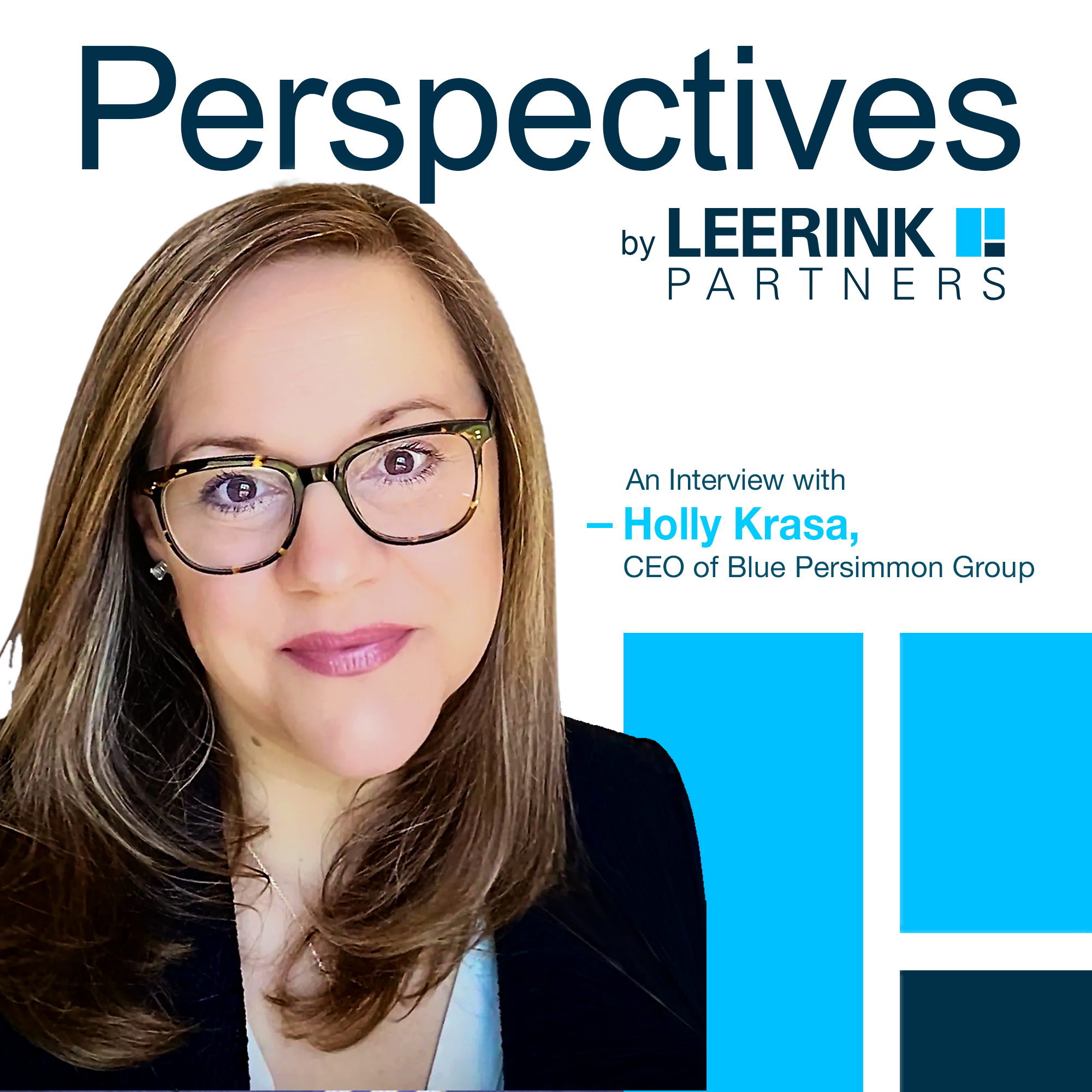
Tune into an interview with Holly and Melanie Whittington, PhD, Head of the Leerink Center for Pharmacoeconomics.
In this episode, they discuss the need for innovation in care and services provided to those living with schizophrenia and the impacts of stories from those most affected.
External Resources
A collection of tools, readings, and organizations we trust to offer additional insight, support, and inspiration beyond our own work.
Found something useful?